
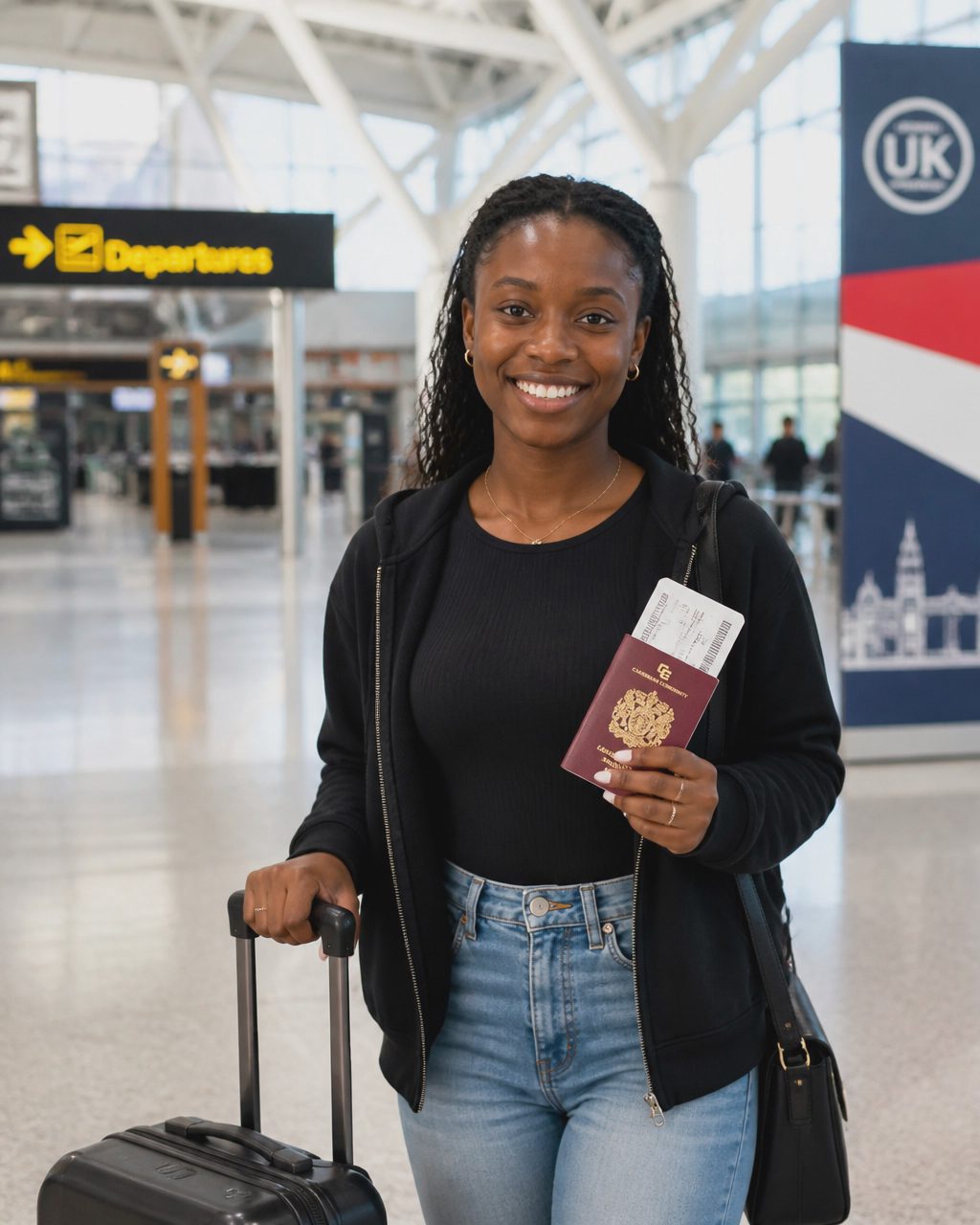
No ETA Needed? What Turks and Caicos Families Should Know About BOTC Passports and UK Travel
Every week, families in the Turks and Caicos Islands ask the same question:
“Does my child need an Electronic Travel Authorisation before flying to the UK?”
For most children travelling on a Turks and Caicos Islands British Overseas Territories Citizen (BOTC) passport, the answer is no.
However, the ETA is only one part of the picture. A BOTC passport can support visa-free short visits to the UK, but BOTC status does not always mean that a person has the right to live, study long-term, or work in the UK.
This distinction matters greatly for TCI families preparing for September travel, boarding school, university, or a longer-term move.
This article reflects UK government guidance available on 31 August 2026. Immigration and nationality rules can change. For advice about an individual case, obtain a proper nationality or immigration assessment.
The simple answer: BOTC passport holders do not need an ETA
The UK Electronic Travel Authorisation is a digital travel permission for many people who visit the UK without a visa.
The UK government confirms that a person does not need an ETA if they are:
- A British or Irish citizen
- Travelling with a valid visa
- Travelling with permission to live, work, or study in the UK
- Travelling with a British Overseas Territories Citizen passport
- Travelling with a British National (Overseas) passport
This means that a child travelling on a valid Turks and Caicos Islands BOTC passport does not need to apply for an ETA before travelling to the UK.
You can read the official guidance on when you do not need an ETA and the relevant UK Immigration Rules on Electronic Travel Authorisation.
The airline may still check the passport before boarding. The child must also meet the usual UK visitor or immigration requirements for the purpose and length of the trip.
What is a BOTC passport?
A BOTC passport is a British passport issued to someone who holds British Overseas Territories citizenship.
For TCI families, this may be a Turks and Caicos Islands passport connected to the child’s:
- Birth
- Parent or grandparent
- Registration
- Naturalisation
- Belonger or territorial connection
A BOTC passport is an important British nationality document. But it is not automatically the same as a British citizen passport.
The difference can be confusing because a person may hold both statuses:
- British Overseas Territories Citizen
- British Citizen
A person may also hold both a BOTC passport and a British citizen passport. The two passports represent different nationality statuses, even though both are British passports.
The important distinction: travel is not the same as the right to live in the UK
A BOTC passport can allow the holder to visit the UK without an ETA and, in many circumstances, without a visa for up to six months.
That does not automatically mean that every BOTC has the right to:
- Live in the UK permanently
- Work in the UK
- Study on a long-term basis
- Access all domestic education or student finance arrangements
- Remain in the UK beyond the visitor period
HM Passport Office guidance states that a person who holds BOTC status only can generally visit the UK for up to six months without a visa. However, BOTC status alone does not automatically give that person the right of abode or the right to work in the UK.
This is why families should not treat “no ETA required” as a complete immigration answer.
The ETA answers a travel authorisation question. It does not confirm a person’s long-term immigration rights.

What changed on 21 May 2002?
The date 21 May 2002 is central to many BOTC nationality assessments.
Under the British Overseas Territories Act 2002, people who held the former British Dependent Territories Citizen status immediately before the relevant change generally became British citizens automatically on 21 May 2002.
The main position is:
- A person who already held the relevant BOTC or former BDTC status on 21 May 2002 may have automatically become a British citizen.
- A person who became or registered as a BOTC after 21 May 2002 did not necessarily become a British citizen automatically.
- Some people who became BOTCs after that date may need to register separately as British citizens.
There are exceptions and technical details. The result can depend on:
- How the person acquired BOTC status
- The date of birth
- The date and type of registration
- The territory connection
- Whether the person held BDTC status immediately before 21 May 2002
- Whether the status was acquired by descent or otherwise than by descent
- The documents available to prove the claim
For this reason, families should not rely only on the colour or wording of a passport. A proper nationality assessment may be needed.
You can read the latest HM Passport Office guidance on British Overseas Territories citizens.
Why British citizenship matters for a child studying in the UK
If your child plans to attend boarding school, college, or university in the UK, nationality status can affect more than the airport journey.
1. The right to live and work
A British citizen normally has the right of abode in the UK. This means they can live and work in the UK without needing a visa or other immigration permission.
A BOTC who is not also a British citizen may remain subject to immigration control. They may need the correct visa or permission to study, work, or stay beyond a visitor period.
2. University fee status
Nationality is one part of a home-fee or international-fee assessment.
British citizenship alone does not always guarantee home-fee status. Universities also consider residence history, the relevant fee regulations, and other eligibility requirements.
However, confirming whether a student is a British citizen or a BOTC only can be an important first step. It may affect how the university assesses the student’s position and which immigration documents the family needs to provide.
For more planning support, see our guide to UK student finance and home-fee status.
3. Long-term education planning
A student who is treated as an international student may face different:
- Tuition fees
- Visa requirements
- Working restrictions
- Accommodation requirements
- Financial evidence requirements
- Long-term settlement options
Getting clarity early can reduce anxiety and avoid expensive decisions later.
September travel checklist for TCI families
Before your child travels to the UK, complete these checks.
Check the passport being used
Confirm whether your child is travelling with:
- A Turks and Caicos Islands BOTC passport
- A British citizen passport
- Both a BOTC and British citizen passport
- A passport from another country
The ETA position can change if the child travels on a different passport. The travel document used for booking and boarding should match the document presented to the airline and border authorities.
Check passport validity
Make sure the passport is valid for the journey. Also check that:
- The passport is not damaged
- The name matches the airline booking
- Any previous passport details are available
- The child has the documents required by the airline
- The child has evidence of their school, accommodation, or guardian arrangements if relevant
Review previous immigration documents
Look at:
- Previous passports
- UK visas
- UKVI decision letters
- Immigration observations in passports
- Certificates of registration or naturalisation
- Any certificate of entitlement to the right of abode
A passport may not show the full nationality history. Previous documents can contain important evidence.
Confirm the purpose and length of the stay
A short visit is different from:
- Starting a full-time course
- Attending boarding school
- Working
- Joining family
- Moving to the UK
- Staying for more than six months
A child may not need an ETA but could still require immigration permission for the activity they plan to undertake.
Prepare child travel and safeguarding documents
If your child is travelling without both parents, check the airline’s requirements for:
- Parental consent
- Birth certificate
- Contact details
- Guardian information
- Accommodation address
- Emergency arrangements
A clear plan can reduce uncertainty for your child and provide reassurance for parents living in TCI or elsewhere overseas.

Does your child need a UK citizenship application?
If your child holds BOTC status but does not have evidence of British citizenship, they may need an assessment before deciding whether to submit a UK citizenship application.
The correct route depends on the facts. Some people may already be British citizens automatically and only need to obtain evidence, such as a British citizen passport. Others may need to apply for registration as a British citizen.
Do not submit an application based on a general assumption that all TCI BOTCs have the same position. A child who acquired BOTC status after 21 May 2002 may have a different route from a person who already held the status before that date.
Our UK citizenship application guide explains why document review and nationality history matter.
How Guilaine Brutus Consultancy supports TCI families
At Guilaine Brutus Consultancy, we understand that UK travel and education decisions can bring anxiety, confusion, and pressure for families.
Our support can include:
- Nationality and identity assessments
- Review of BOTC and British citizenship documents
- Guidance on potential British citizenship registration
- Education pathway planning
- Support for families preparing for studying in the UK
- Guardian, housing, and welfare coordination
- Parent updates and monitoring after arrival
We take a holistic approach. Our role is not simply to help a child reach the UK. It is to help them arrive prepared, feel supported, protect their cultural pride, and thrive academically and emotionally.
For families seeking UK immigration advice or an experienced UK education consultant, an honest conversation early can prevent avoidable delays later.
Final answer: no ETA, but check the bigger picture
If your child is travelling to the UK in September 2026 on a valid Turks and Caicos Islands BOTC passport, they do not need a UK ETA.
But you should still confirm:
- Which nationality status your child holds
- Whether they are also a British citizen
- Whether the trip is a short visit or a long-term move
- Whether they need permission to study or work
- Whether their documents prove their right to live in the UK
- Whether their university or school has confirmed their fee and immigration position
The ETA question may be simple. The nationality question may not be.
If you are uncertain about your child’s BOTC status, British citizenship, or plans for studying in the UK, contact Guilaine Brutus Consultancy for a clear, culturally grounded assessment and practical next steps.